
Discovering the Timeless Value of Classic Books: Classic Literature Insights
There’s something magical about opening a classic book. The pages whisper stories that have survived generations, inviting us to step into worlds crafted by brilliant minds long ago. These books aren’t just old stories; they are treasures that shape our understanding of life, language, and human nature. As someone who loves guiding young readers through the wonders of literature, I find that classic books offer a unique blend of challenge and charm that modern stories sometimes miss.
Have you ever wondered why these stories still matter? Why do we keep returning toThe Count of Monte Cristo, Old Yeller, or The Call of the Wild? Let’s dive into the timeless value of classic books and explore how they can enrich young minds today:

Why Classic Literature Insights Matter for Young Readers
Classic literature is more than just old stories. It’s a gateway to understanding history, culture, and the evolution of language. When children and teens read classics, they don’t just learn about the past, they develop critical thinking skills and empathy. These books often present complex characters and moral dilemmas that encourage readers to reflect deeply. I've seen how this type of deep thinking begins to become second nature to the kids who read classics regularly.
For example, Little Women introduces themes of family, sacrifice, and personal growth. It’s not just a story; it’s a lesson in resilience and kindness. Similarly, The Secret Garden teaches about healing and the power of nature. These insights are invaluable for young readers as they navigate their own challenges.
Moreover, classic books often use rich, descriptive language that helps build vocabulary and improve writing skills. Encountering varied and complex sentence structures and expressive words can inspire young writers to experiment with their own style. This is why incorporating classics into our family culture can be a game-changer.
How Classic Books Build Stronger Language Skills
One of the greatest gifts classic books offer is their ability to enhance language skills. Unlike many contemporary books that favor simplicity, classics often challenge readers with sophisticated vocabulary and intricate sentence patterns. This challenge is a golden opportunity for growth.
When children read classics, they learn to decode complex sentences and appreciate nuanced meanings. This process naturally improves reading comprehension. For instance, encountering Shakespeare’s plays or Dickens’ novels introduces readers to metaphor, irony, and other literary devices that enrich their understanding of language.
Here are some practical ways to help young readers benefit from classic literature:
Read aloud together: Hearing the rhythm and flow of classic prose can make it more accessible.
Discuss new words: Pause to explore unfamiliar vocabulary and encourage using these words in daily conversation.
Ask open-ended questions: Prompt critical thinking by asking what characters might be feeling or why they made certain choices.
Write reflections: Encourage journaling or essay writing about themes or characters to deepen engagement.
By weaving these practices into reading sessions, classic books become tools for building confident readers and writers.
How to get rid of musty smell from old books?
If you’ve ever picked up a classic book from a thrift store or a family collection, you might have noticed a distinct musty smell. It’s a common issue with older books, but don’t let it deter you from enjoying these literary gems. Here’s how to freshen up those beloved volumes:
Air them out: Place the books in a dry, well-ventilated area for a few days. Sunlight can help, but avoid direct exposure to prevent fading.
Use baking soda: Place the book in a sealed container with an open box of baking soda nearby (not touching the book). Leave it for a few days to absorb odors.
Charcoal bags: Activated charcoal is excellent at neutralizing smells. Keep a small bag near your bookshelves.
Freeze the book: For mold or mildew, sealing the book in a plastic bag and freezing it for a few days can kill spores.
Clean gently: Use a soft brush or cloth to remove dust and dirt from the cover and edges.
Taking these steps can revive your classics and make them more inviting to read. After all, the joy of reading shouldn’t be spoiled by a pesky smell!

Why We Should Embrace "Oh Those Dusty Old Books"
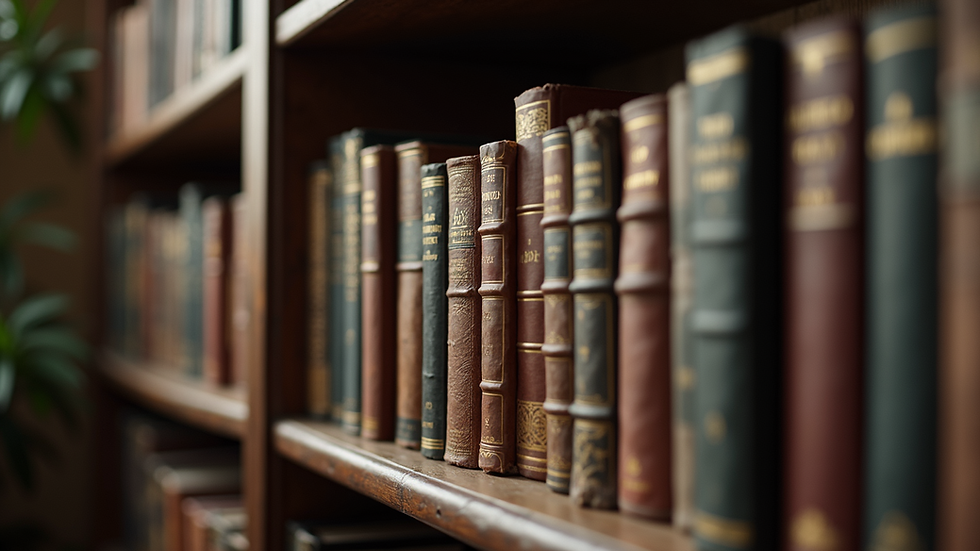
I have to admit, there’s a special charm in those dusty old books. They carry the weight of history and the whispers of countless readers who have turned their pages before us. These books invite us to slow down, to savor language, and to think deeply.
In a world dominated by screens and instant gratification, classic books offer a refreshing pause. They teach patience and reward curiosity. When young readers engage with these texts, they develop a lifelong love of learning and a richer understanding of the world.
Encouraging children to explore classics also connects them to a broader cultural conversation. They see how ideas have evolved and how stories reflect the values and struggles of different times. This perspective is crucial for developing empathy and critical thinking.
So, don’t shy away from those old books on the shelf. Embrace them as treasures waiting to be discovered. They hold lessons that are as relevant today as when they were first written.
Making Classic Literature a Fun Part of Learning
Introducing classic books to young readers doesn’t have to be daunting. In fact, it can be a joyful adventure! Here are some tips to make classics engaging and accessible:
Choose age-appropriate editions: Many classics have abridged or adapted versions that retain the essence while simplifying language.
Use multimedia resources: Audiobooks, movies, and graphic novel adaptations can complement reading and spark interest.
Create themed reading challenges: Encourage kids to read a set number of classics with rewards or celebrations.
Connect stories to real life: Discuss how themes relate to current events or personal experiences.
Incorporate creative projects: Let kids write their own endings, draw scenes, or act out parts of the story.
By making classics interactive and relatable, you help young readers see these books not as chores but as exciting journeys.
The Lasting Impact of Classic Books on Young Minds
When children and teens dive into classic literature, they gain more than just knowledge. They develop skills and attitudes that serve them for life. Classics nurture imagination, foster empathy, and sharpen analytical thinking. They also build a strong foundation for effective communication.
As a homeschooling resource, classic books align perfectly with the goal of raising confident writers and critical thinkers. They challenge young minds to question, interpret, and express ideas clearly. This is the kind of learning that goes beyond tests and grades; it shapes character and intellect.
So, next time you see a stack of those dusty old books, remember the treasure trove they represent. Encourage young readers to explore them with curiosity and enthusiasm. The timeless value of classic books is waiting to be discovered, one page at a time.



Comments